
॥ श्रीकृष्णाय नमः ॥  ·  Established 3 October 1968 · Hansi, Haryana
Temple timings+91 94163 15729
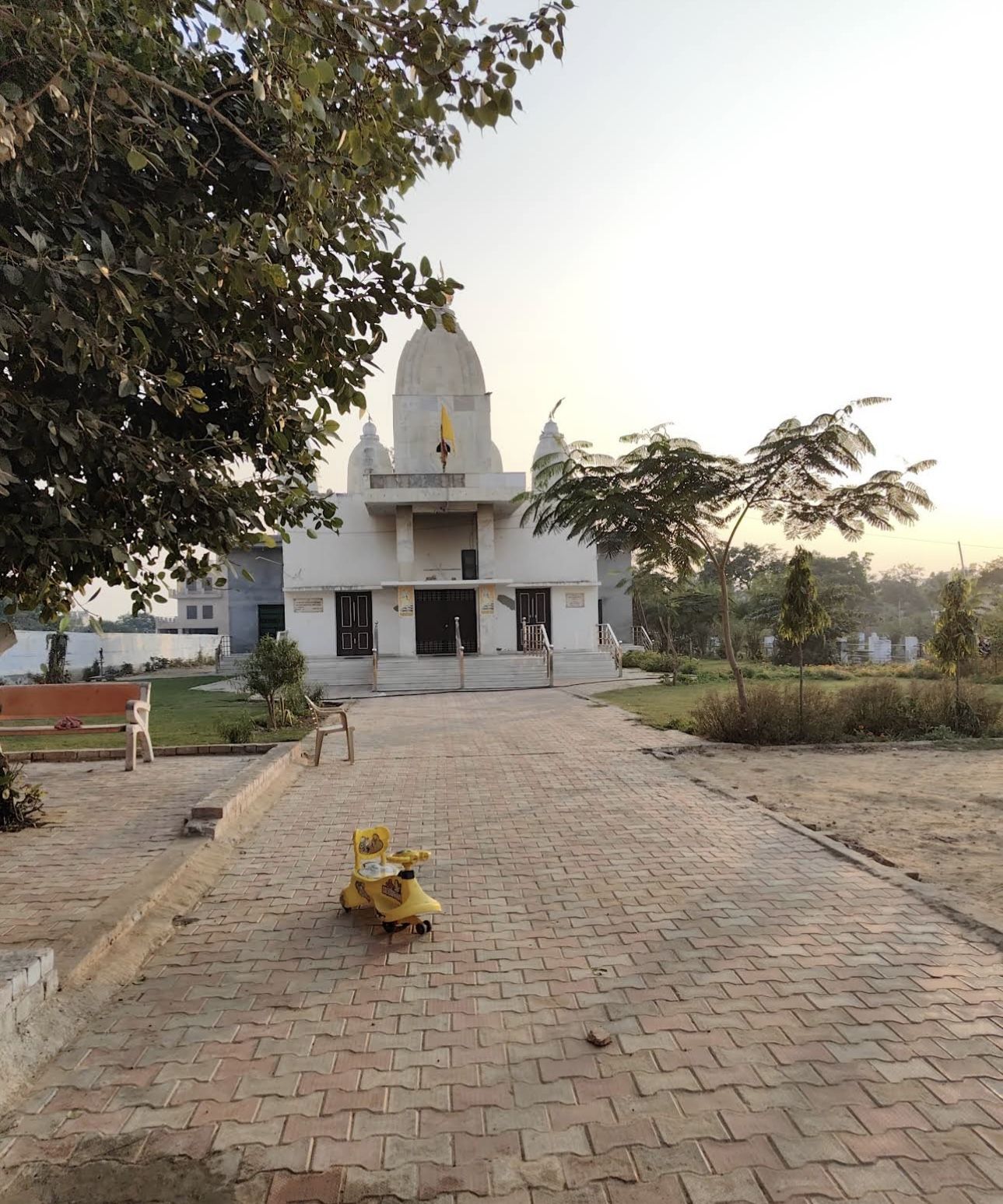
The temple at Hansi Gita Bhawan

Gita’s learnings · दान

Dana — Giving rightly

A gift given because it ought to be given, expecting nothing back.

The teaching

दान

5 shlokas below, each in Sanskrit, transliteration, and plain words.

A charitable trust lives or dies by Chapter 17. There the Gita sorts giving into three kinds. Sattvic giving is done as a duty, at the right place and time, to a worthy recipient, expecting nothing in return. Rajasic giving looks for a return — recognition, favour, merit. Tamasic giving is careless, contemptuous, or misplaced.

The Gita is not sentimental about charity. It asks that giving be wise as well as generous, and it places dana alongside sacrifice and austerity as one of the three acts that should never be given up, because they purify the one who performs them.

The gardens, guest house and facilities are given to the town as duty, not display. The Trust takes nothing for them and asks nothing for them.

At the Bhawan

The shlokas

In the Gita’s own words.

Bhagavad Gita 17.20

दातव्यमिति यद्दानं दीयतेऽनुपकारिणे।
देशे काले च पात्रे च तद्दानं सात्त्विकं स्मृतम्॥

dātavyam iti yad dānaṁ dīyate ’nupakāriṇe / deśe kāle ca pātre ca tad dānaṁ sāttvikaṁ smṛtam

Given because it ought to be given.

A gift given as a duty, to one who can make no return, at the right place and time and to a worthy person — that gift is called sattvic, pure.

हिंदी · जो दान कर्तव्य समझकर, प्रत्युपकार न कर सकने वाले को, उचित देश, काल और पात्र में दिया जाता है — वह दान सात्त्विक कहा गया है।

Bhagavad Gita 17.21

यत्तु प्रत्युपकारार्थं फलमुद्दिश्य वा पुनः।
दीयते च परिक्लिष्टं तद्दानं राजसं स्मृतम्॥

yat tu pratyupakārārthaṁ phalam uddiśya vā punaḥ / dīyate ca parikliṣṭaṁ tad dānaṁ rājasaṁ smṛtam

Given for a return, or grudgingly.

But a gift given in hope of return, or for some reward, or given grudgingly — that gift is called rajasic.

हिंदी · परंतु जो दान प्रत्युपकार की आशा से, या फल की इच्छा से, या कष्ट के साथ दिया जाता है — वह दान राजसिक कहा गया है।

Bhagavad Gita 17.22

अदेशकाले यद्दानमपात्रेभ्यश्च दीयते।
असत्कृतमवज्ञातं तत्तामसमुदाहृतम्॥

adeśa-kāle yad dānam apātrebhyaś ca dīyate / asat-kṛtam avajñātaṁ tat tāmasam udāhṛtam

Given carelessly, to the wrong person.

A gift given at the wrong place or time, to an unworthy recipient, without respect or with contempt — that is called tamasic.

हिंदी · जो दान अनुचित देश-काल में, अपात्र को, बिना सत्कार के या अवज्ञापूर्वक दिया जाता है — वह तामसिक कहा गया है।

Bhagavad Gita 3.13

यज्ञशिष्टाशिनः सन्तो मुच्यन्ते सर्वकिल्बिषैः।
भुञ्जते ते त्वघं पापा ये पचन्त्यात्मकारणात्॥

yajña-śiṣṭāśinaḥ santo mucyante sarva-kilbiṣaiḥ / bhuñjate te tv aghaṁ pāpā ye pacanty ātma-kāraṇāt

Eat what remains after offering.

The good, who eat what remains after offering, are freed from all faults. Those who cook only for themselves eat sin.

हिंदी · यज्ञ से बचा हुआ खाने वाले सज्जन सब पापों से मुक्त हो जाते हैं। जो केवल अपने लिए पकाते हैं, वे पाप खाते हैं।

Bhagavad Gita 18.5

यज्ञदानतपःकर्म न त्याज्यं कार्यमेव तत्।
यज्ञो दानं तपश्चैव पावनानि मनीषिणाम्॥

yajña-dāna-tapaḥ-karma na tyājyaṁ kāryam eva tat / yajño dānaṁ tapaś caiva pāvanāni manīṣiṇām

Sacrifice, giving and austerity are never to be given up.

Acts of sacrifice, giving and austerity should not be abandoned; they must be done. For they purify even the wise.

हिंदी · यज्ञ, दान और तप के कर्म त्यागने योग्य नहीं हैं; उन्हें अवश्य करना चाहिए। क्योंकि यज्ञ, दान और तप मनीषियों को भी पवित्र करते हैं।

Common questions

About this teaching.

What are the three kinds of charity in the Gita?

Gita 17.20–22: sattvic (given as a duty, to a worthy person, at the right place and time, expecting nothing), rajasic (given for a return or reward, or grudgingly) and tamasic (given carelessly, at the wrong time, to the wrong person, or with contempt).

Does the Gita say giving is compulsory?

Gita 18.5 says sacrifice, giving and austerity should never be given up, because they purify the one who performs them. But the quality of the giving matters as much as the act (17.20).

All nine themes The 18 chapters