
॥ श्रीकृष्णाय नमः ॥  ·  Established 3 October 1968 · Hansi, Haryana
Temple timings+91 94163 15729
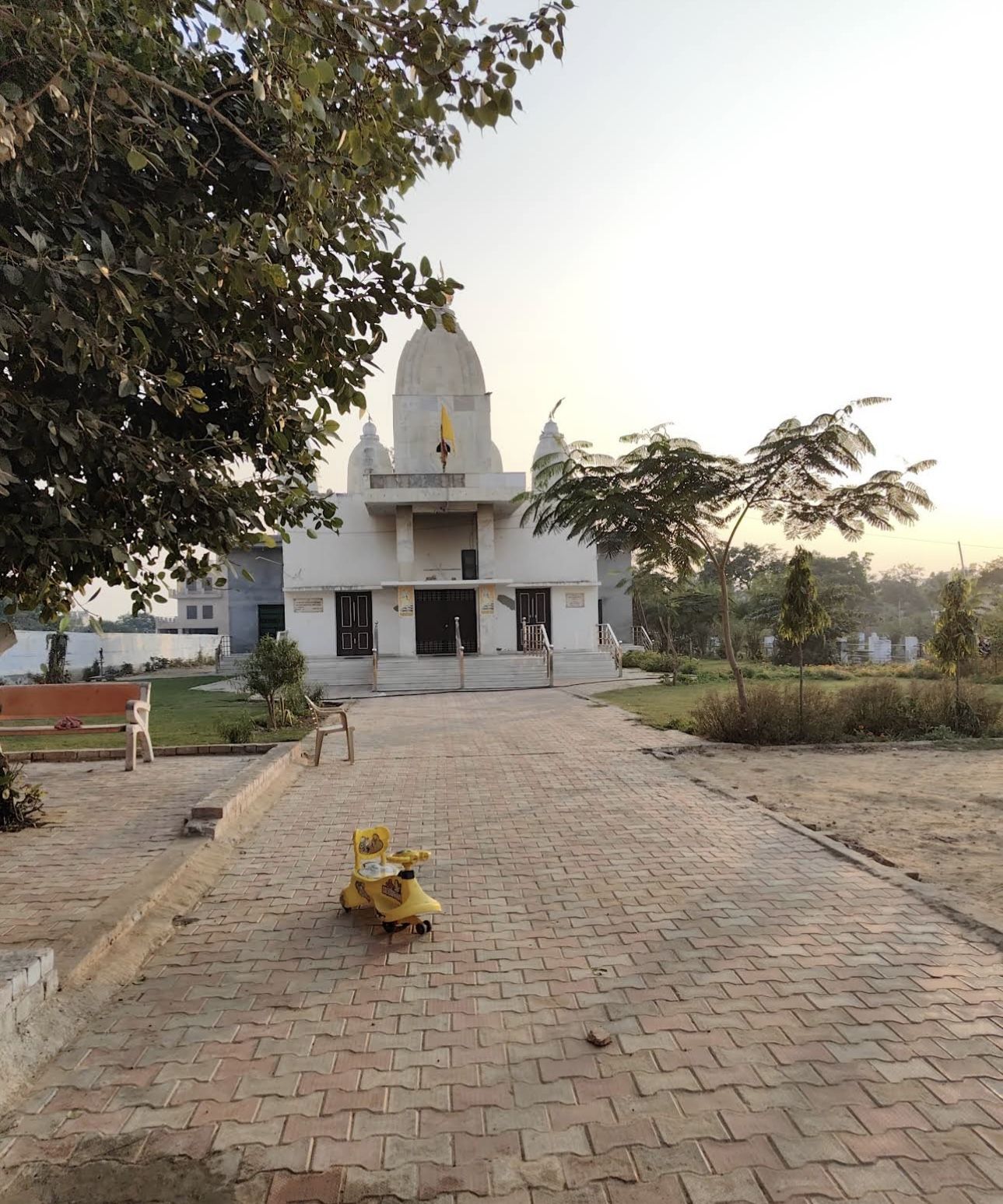
The temple at Hansi Gita Bhawan

Gita’s learnings · समदर्शन

Sama-darshana — Compassion and equal vision

Without hatred for any being; friendly and compassionate to all.

The teaching

समदर्शन

5 shlokas below, each in Sanskrit, transliteration, and plain words.

When Krishna describes the devotee dear to him, he does not begin with rituals. He begins with character: free of hatred toward any being, friendly and compassionate, without “mine” and without ego, the same in sorrow and joy, forgiving.

The root of this compassion is a way of seeing. The wise, says the Gita, look with the same eye on the learned and the humble, and measure the joys and sorrows of others by their own. Equal vision is not a sentiment; it is what remains when the ego stops dividing the world into mine and not-mine.

Hospitality for sadhus, pandits, mendicants and visitors of every background is written into our Deed. Bhog and prasad are shared without distinction.

At the Bhawan

The shlokas

In the Gita’s own words.

Bhagavad Gita 12.13

अद्वेष्टा सर्वभूतानां मैत्रः करुण एव च।
निर्ममो निरहङ्कारः समदुःखसुखः क्षमी॥

adveṣṭā sarva-bhūtānāṁ maitraḥ karuṇa eva ca / nirmamo nirahaṅkāraḥ sama-duḥkha-sukhaḥ kṣamī

Without hatred; friendly and compassionate.

One who hates no being, who is friendly and compassionate, free of possessiveness and ego, equal in sorrow and joy, and forgiving —

हिंदी · जो किसी प्राणी से द्वेष नहीं करता, जो मित्रवत और करुणामय है, ममता और अहंकार से रहित, सुख-दुःख में समान, और क्षमाशील है —

Bhagavad Gita 12.14

सन्तुष्टः सततं योगी यतात्मा दृढनिश्चयः।
मय्यर्पितमनोबुद्धिर्यो मद्भक्तः स मे प्रियः॥

santuṣṭaḥ satataṁ yogī yatātmā dṛḍha-niścayaḥ / mayy arpita-mano-buddhir yo mad-bhaktaḥ sa me priyaḥ

— that devotee is dear to Me.

— ever content, self-controlled, firm in resolve, with mind and understanding given to Me: that devotee is dear to Me.

हिंदी · — सदा संतुष्ट, संयमी, दृढ़ निश्चय वाला, जिसने मन और बुद्धि मुझे अर्पित कर दी है: वह भक्त मुझे प्रिय है।

Bhagavad Gita 5.18

विद्याविनयसम्पन्ने ब्राह्मणे गवि हस्तिनि।
शुनि चैव श्वपाके च पण्डिताः समदर्शिनः॥

vidyā-vinaya-sampanne brāhmaṇe gavi hastini / śuni caiva śva-pāke ca paṇḍitāḥ sama-darśinaḥ

The wise see all with an equal eye.

The wise see the same in a learned and humble brahmin, a cow, an elephant, a dog and an outcaste.

हिंदी · ज्ञानी विद्या और विनय से युक्त ब्राह्मण में, गाय में, हाथी में, कुत्ते में और चांडाल में एक ही तत्त्व देखते हैं।

Bhagavad Gita 6.32

आत्मौपम्येन सर्वत्र समं पश्यति योऽर्जुन।
सुखं वा यदि वा दुःखं स योगी परमो मतः॥

ātmaupamyena sarvatra samaṁ paśyati yo ’rjuna / sukhaṁ vā yadi vā duḥkhaṁ sa yogī paramo mataḥ

Measure others’ joy and sorrow by your own.

One who sees everywhere, by comparison with oneself, the same joy and sorrow in others — that yogi is held to be the highest.

हिंदी · जो अपने समान सर्वत्र सबके सुख और दुःख को समान देखता है — हे अर्जुन, वह योगी परम माना गया है।

Bhagavad Gita 16.2

अहिंसा सत्यमक्रोधस्त्यागः शान्तिरपैशुनम्।
दया भूतेष्वलोलुप्त्वं मार्दवं ह्रीरचापलम्॥

ahiṁsā satyam akrodhas tyāgaḥ śāntir apaiśunam / dayā bhūteṣv aloluptvaṁ mārdavaṁ hrīr acāpalam

Non-violence, truth, compassion for all beings.

Non-violence, truthfulness, freedom from anger, renunciation, calm, not speaking ill of others, compassion for all beings, freedom from greed, gentleness, modesty, steadiness — these belong to the divine nature.

हिंदी · अहिंसा, सत्य, क्रोध का अभाव, त्याग, शांति, चुगली न करना, प्राणियों पर दया, लोभ का अभाव, कोमलता, लज्जा, अचंचलता — ये दैवी स्वभाव के लक्षण हैं।

Common questions

About this teaching.

What does the Gita say about compassion?

It lists daya — compassion for all beings — among the divine qualities (16.2), describes the ideal devotee as “without hatred for any being, friendly and compassionate” (12.13), and calls the yogi who feels others’ joys and sorrows as their own the highest (6.32).

What is sama-darshana?

“Equal vision” — seeing the same Self in every being, learned or humble, human or animal (5.18). It is the root of the Gita’s ethics: compassion follows naturally once the ego stops dividing the world.

All nine themes The 18 chapters