
॥ श्रीकृष्णाय नमः ॥  ·  Established 3 October 1968 · Hansi, Haryana
Temple timings+91 94163 15729
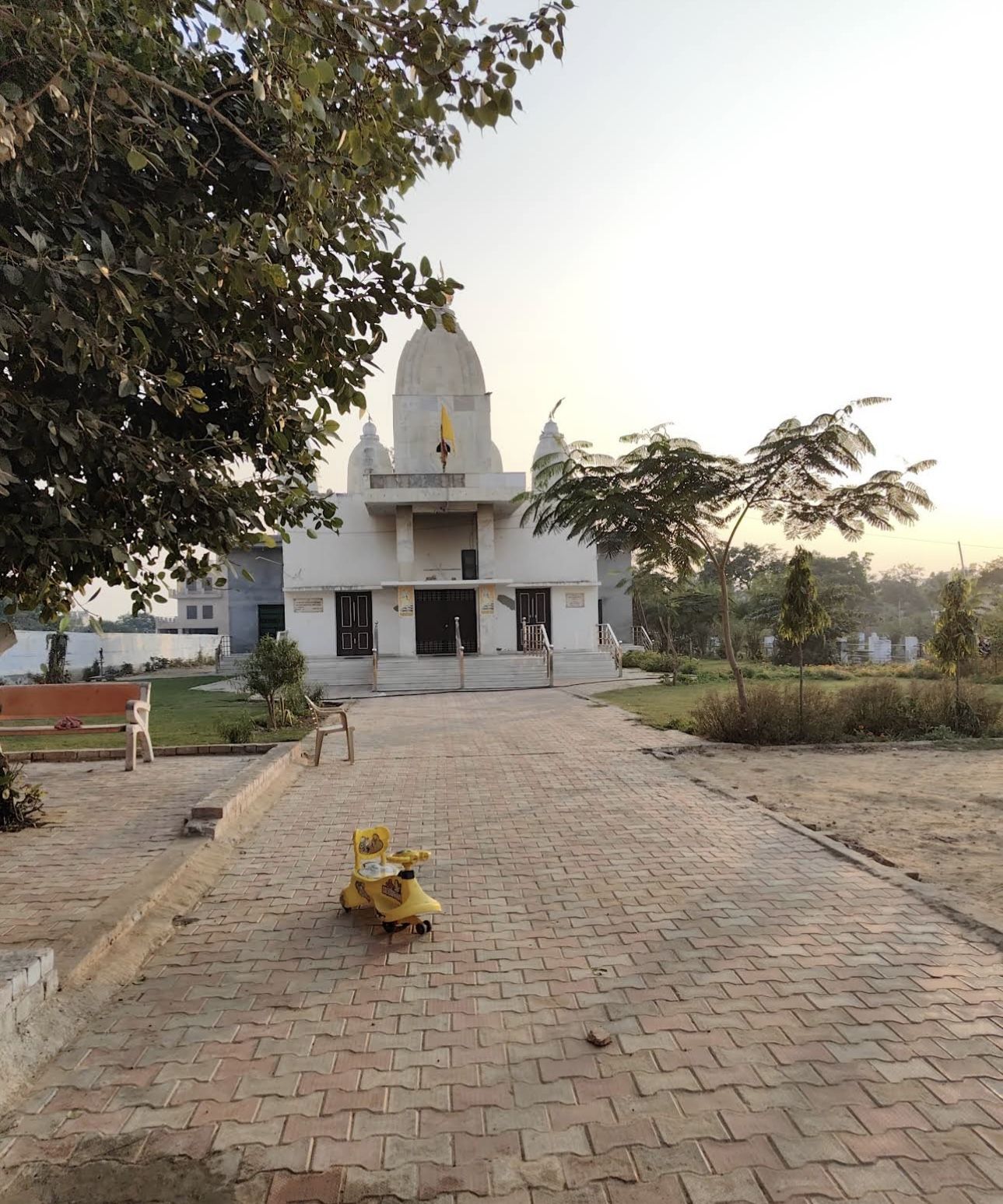
The temple at Hansi Gita Bhawan

Gita’s learnings · ध्यान

Dhyana — Meditation and self-mastery

Lift yourself by your own self; make the mind a friend.

The teaching

ध्यान

5 shlokas below, each in Sanskrit, transliteration, and plain words.

Chapter 6 is the Gita’s manual for the mind. It begins with a hard truth and a kind one: no one else can do your inner work for you, and no one can stop you from doing it. The self is its own friend and its own enemy, depending on whether it has been mastered.

The method is not exotic. Moderation in food and sleep, work and rest. A steady seat, a steady gaze, a mind brought back each time it wanders. Arjuna protests that the mind is as hard to hold as the wind; Krishna agrees, and gives the two tools that work: practice and dispassion.

The yoga centre on the campus exists for this chapter. Yoga in the Gita’s sense is a steadiness of mind carried into the day, not only a practice on the mat.

At the Bhawan

The shlokas

In the Gita’s own words.

Bhagavad Gita 6.5

उद्धरेदात्मनात्मानं नात्मानमवसादयेत्।
आत्मैव ह्यात्मनो बन्धुरात्मैव रिपुरात्मनः॥

uddhared ātmanātmānaṁ nātmānam avasādayet / ātmaiva hy ātmano bandhur ātmaiva ripur ātmanaḥ

Lift yourself by your own self.

Raise yourself by your own effort; do not let yourself sink. For the self is the friend of the self, and the self is also its enemy.

हिंदी · अपने द्वारा अपना उद्धार करो; स्वयं को गिरने मत दो। क्योंकि आत्मा ही आत्मा का मित्र है, और आत्मा ही आत्मा का शत्रु।

Bhagavad Gita 6.6

बन्धुरात्मात्मनस्तस्य येनात्मैवात्मना जितः।
अनात्मनस्तु शत्रुत्वे वर्तेतात्मैव शत्रुवत्॥

bandhur ātmātmanas tasya yenātmaivātmanā jitaḥ / anātmanas tu śatrutve vartetātmaiva śatru-vat

A mastered mind is a friend; an unmastered one, an enemy.

For one who has conquered the mind, it is the best of friends. For one who has not, it behaves like an enemy.

हिंदी · जिसने मन को जीत लिया है, उसके लिए मन परम मित्र है। जिसने नहीं जीता, उसके लिए वही शत्रु की तरह व्यवहार करता है।

Bhagavad Gita 6.16–17

नात्यश्नतस्तु योगोऽस्ति न चैकान्तमनश्नतः।
न चातिस्वप्नशीलस्य जाग्रतो नैव चार्जुन॥
युक्ताहारविहारस्य युक्तचेष्टस्य कर्मसु।
युक्तस्वप्नावबोधस्य योगो भवति दुःखहा॥

nāty-aśnatas tu yogo ’sti na caikāntam anaśnataḥ / na cāti-svapna-śīlasya jāgrato naiva cārjuna // yuktāhāra-vihārasya yukta-ceṣṭasya karmasu / yukta-svapnāvabodhasya yogo bhavati duḥkha-hā

Moderation in food, rest and work.

Yoga is not for one who eats too much or too little, sleeps too much or too little. For one who is moderate in food and recreation, in effort, in sleep and waking, yoga destroys all sorrow.

हिंदी · योग न बहुत खाने वाले का होता है, न बिल्कुल न खाने वाले का; न बहुत सोने वाले का, न सदा जागने वाले का। जिसका आहार-विहार, कर्मों में चेष्टा, और सोना-जागना संयमित है, उसका योग दुःखों का नाश करता है।

Bhagavad Gita 6.35

असंशयं महाबाहो मनो दुर्निग्रहं चलम्।
अभ्यासेन तु कौन्तेय वैराग्येण च गृह्यते॥

asaṁśayaṁ mahā-bāho mano durnigrahaṁ calam / abhyāsena tu kaunteya vairāgyeṇa ca gṛhyate

By practice and dispassion, the mind is held.

No doubt, Arjuna, the mind is restless and hard to hold. But by practice and by dispassion, it can be restrained.

हिंदी · हे महाबाहो, निःसंदेह मन चंचल है और उसे वश में करना कठिन है। परंतु अभ्यास और वैराग्य से, हे कौन्तेय, उसे वश में किया जा सकता है।

Bhagavad Gita 2.62–63

ध्यायतो विषयान्पुंसः सङ्गस्तेषूपजायते।
सङ्गात्सञ्जायते कामः कामात्क्रोधोऽभिजायते॥
क्रोधाद्भवति सम्मोहः सम्मोहात्स्मृतिविभ्रमः।
स्मृतिभ्रंशाद्बुद्धिनाशो बुद्धिनाशात्प्रणश्यति॥

dhyāyato viṣayān puṁsaḥ saṅgas teṣūpajāyate / saṅgāt sañjāyate kāmaḥ kāmāt krodho ’bhijāyate // krodhād bhavati sammohaḥ sammohāt smṛti-vibhramaḥ / smṛti-bhraṁśād buddhi-nāśo buddhi-nāśāt praṇaśyati

The chain from brooding to ruin.

Dwelling on objects breeds attachment; attachment breeds desire; desire, when thwarted, breeds anger. Anger brings delusion, delusion clouds memory, clouded memory destroys judgement, and with judgement gone the person is lost. Break the chain at the first link.

हिंदी · विषयों का चिंतन करने से उनमें आसक्ति होती है; आसक्ति से कामना, कामना से क्रोध। क्रोध से मोह, मोह से स्मृति का भ्रम, स्मृति-भ्रंश से बुद्धि का नाश, और बुद्धि-नाश से मनुष्य नष्ट हो जाता है। शृंखला को पहली कड़ी पर ही तोड़ो।

Common questions

About this teaching.

How does the Gita say to control the mind?

Gita 6.35: by abhyasa (steady practice) and vairagya (dispassion). Chapter 6 also prescribes moderation in food, sleep and work, a steady posture, and patiently bringing the mind back each time it wanders (6.26).

What is the “anger chain” in the Gita?

Gita 2.62–63 traces how brooding on an object leads to attachment, desire, anger, delusion, loss of memory and judgement, and finally ruin. The practical lesson is to notice and interrupt the process early.

All nine themes The 18 chapters