
॥ श्रीकृष्णाय नमः ॥  ·  Established 3 October 1968 · Hansi, Haryana
Temple timings+91 94163 15729
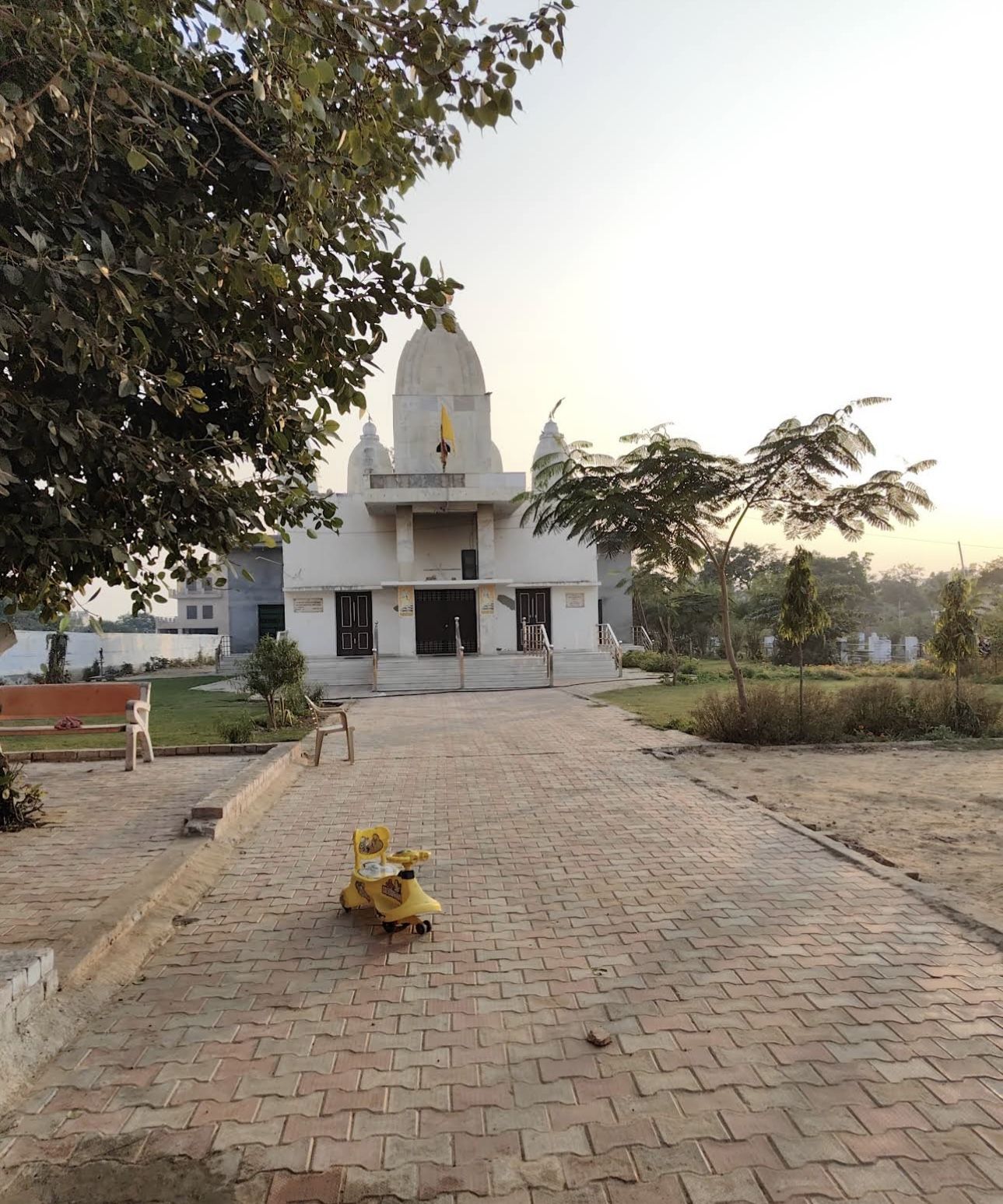
The temple at Hansi Gita Bhawan

Gita’s learnings · स्वधर्म

Svadharma — One’s own duty

Better your own duty, done imperfectly, than another’s done well.

The teaching

स्वधर्म

5 shlokas below, each in Sanskrit, transliteration, and plain words.

Arjuna’s crisis is, at bottom, a wish to be someone else — a renunciate instead of a warrior. Krishna answers with one of the Gita’s hardest and most freeing ideas: each of us has a dharma of our own, shaped by our nature and our place, and the way forward is through it, not around it.

Svadharma is not fatalism. It says: stop measuring your life against someone else’s role. Find what is yours to do, and do it with your whole heart, even when it is imperfect — because every undertaking carries some fault, as fire carries smoke.

The Trust does not try to be everything. Its Deed names five things, and it does those. Knowing what is ours to do — and what is not — is svadharma applied to an institution.

At the Bhawan

The shlokas

In the Gita’s own words.

Bhagavad Gita 3.35

श्रेयान्स्वधर्मो विगुणः परधर्मात्स्वनुष्ठितात्।
स्वधर्मे निधनं श्रेयः परधर्मो भयावहः॥

śreyān sva-dharmo viguṇaḥ para-dharmāt sv-anuṣṭhitāt / sva-dharme nidhanaṁ śreyaḥ para-dharmo bhayāvahaḥ

Better one’s own duty, however flawed.

Your own duty, even done imperfectly, is better than another’s duty done well. It is better even to die in one’s own dharma; another’s dharma brings fear.

हिंदी · अपना धर्म, अपूर्ण रूप से किया हुआ भी, दूसरे के भली-भाँति किए धर्म से श्रेष्ठ है। अपने धर्म में मरना भी कल्याणकारी है; दूसरे का धर्म भयदायक है।

Bhagavad Gita 18.47

श्रेयान्स्वधर्मो विगुणः परधर्मात्स्वनुष्ठितात्।
स्वभावनियतं कर्म कुर्वन्नाप्नोति किल्बिषम्॥

śreyān sva-dharmo viguṇaḥ para-dharmāt sv-anuṣṭhitāt / svabhāva-niyataṁ karma kurvan nāpnoti kilbiṣam

Work born of your nature brings no sin.

The Gita repeats the teaching near its end and adds: doing the work laid down by one’s own nature, a person incurs no fault.

हिंदी · गीता अपने अंत के निकट इस शिक्षा को दोहराती है और जोड़ती है: अपने स्वभाव से नियत कर्म करने वाले को कोई दोष नहीं लगता।

Bhagavad Gita 18.48

सहजं कर्म कौन्तेय सदोषमपि न त्यजेत्।
सर्वारम्भा हि दोषेण धूमेनाग्निरिवावृताः॥

sahajaṁ karma kaunteya sa-doṣam api na tyajet / sarvārambhā hi doṣeṇa dhūmenāgnir ivāvṛtāḥ

As fire is covered by smoke.

Do not give up the work natural to you because it has faults. Every undertaking is covered by some fault, as fire is covered by smoke.

हिंदी · अपने स्वाभाविक कर्म को दोषयुक्त होने पर भी मत छोड़ो। हर कार्य किसी न किसी दोष से ढका रहता है, जैसे अग्नि धुएँ से।

Bhagavad Gita 3.21

यद्यदाचरति श्रेष्ठस्तत्तदेवेतरो जनः।
स यत्प्रमाणं कुरुते लोकस्तदनुवर्तते॥

yad yad ācarati śreṣṭhas tat tad evetaro janaḥ / sa yat pramāṇaṁ kurute lokas tad anuvartate

What the best do, others follow.

Whatever a leading person does, others do too; whatever standard they set, the world follows. Your duty includes the example you set.

हिंदी · श्रेष्ठ व्यक्ति जो-जो आचरण करता है, अन्य लोग भी वही करते हैं; वह जो मानदंड बनाता है, संसार उसी का अनुसरण करता है। तुम्हारे कर्तव्य में तुम्हारा उदाहरण भी शामिल है।

Bhagavad Gita 18.46

यतः प्रवृत्तिर्भूतानां येन सर्वमिदं ततम्।
स्वकर्मणा तमभ्यर्च्य सिद्धिं विन्दति मानवः॥

yataḥ pravṛttir bhūtānāṁ yena sarvam idaṁ tatam / sva-karmaṇā tam abhyarcya siddhiṁ vindati mānavaḥ

Worship through your own work.

By doing one’s own work as worship of the One from whom all beings arise and by whom all this is pervaded, a person attains fulfilment.

हिंदी · जिससे सब प्राणी उत्पन्न हुए हैं और जिससे यह सब व्याप्त है, उसकी अपने कर्म द्वारा पूजा करके मनुष्य सिद्धि पाता है।

Common questions

About this teaching.

What does svadharma mean?

“One’s own dharma” — the duty that belongs to you by your nature, stage of life and situation. The Gita (3.35, 18.47) says it is better to do it imperfectly than to do someone else’s duty well.

Is svadharma about caste or birth?

The Gita grounds it in svabhava — one’s nature and aptitude (18.41–44) — and in the situation one is actually in. Its practical force is: stop wishing to be someone else and do the work that is truly yours.

All nine themes The 18 chapters