
॥ श्रीकृष्णाय नमः ॥  ·  Established 3 October 1968 · Hansi, Haryana
Temple timings+91 94163 15729
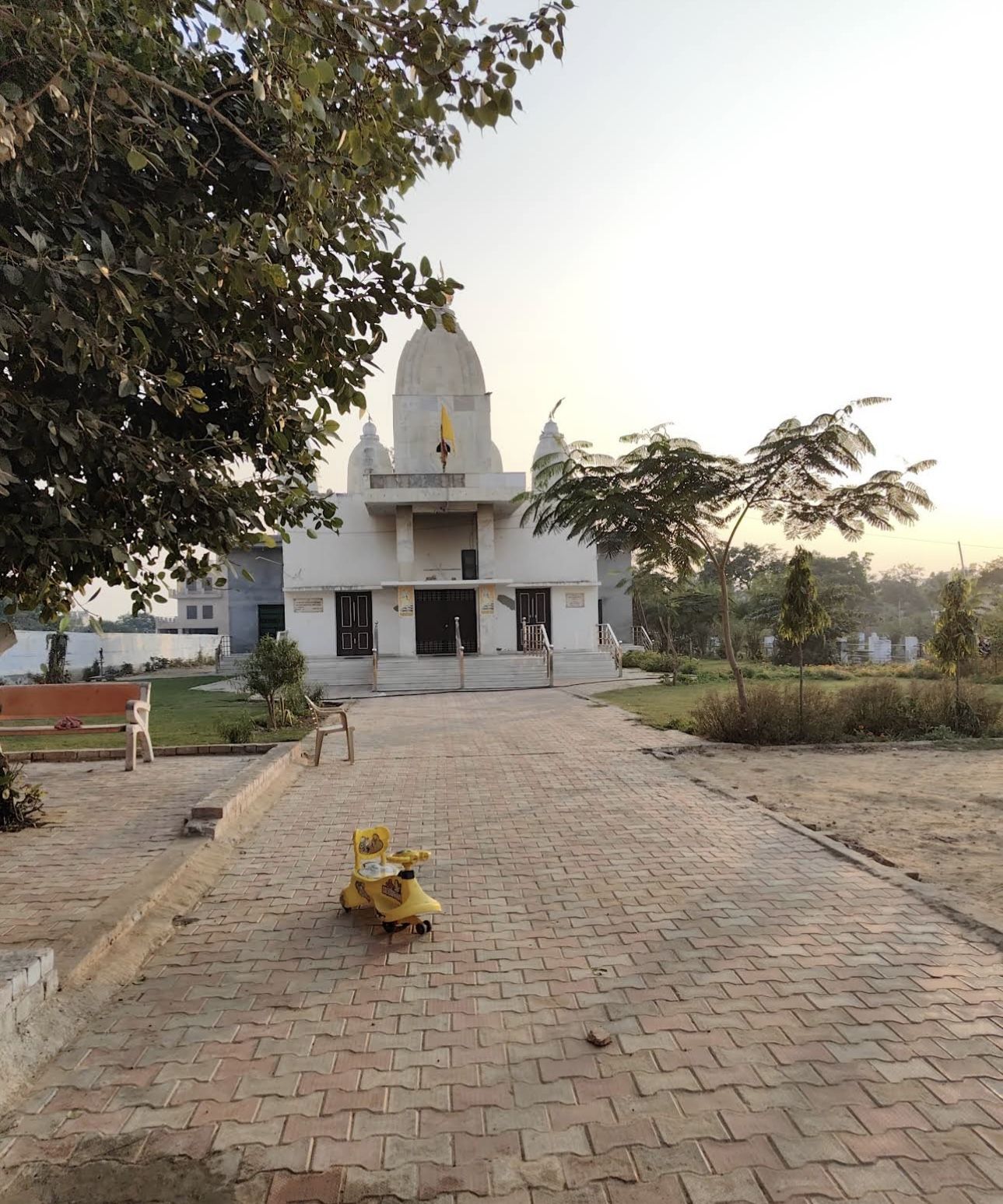
The temple at Hansi Gita Bhawan

Gita’s learnings · स्थितप्रज्ञ

Sthitaprajna — Steadiness of mind

Unshaken in pleasure and pain, gain and loss.

The teaching

स्थितप्रज्ञ

5 shlokas below, each in Sanskrit, transliteration, and plain words.

Near the end of Chapter 2 Arjuna asks a plain question: what is a person of steady wisdom actually like? How do they sit, walk, speak? Krishna’s answer is the Gita’s portrait of the mature human being — the sthitaprajna.

Such a person is not cold. They feel heat and cold, pleasure and pain, but are not carried away by them. Desires enter them the way rivers enter the sea, which stays full and still. Their peace does not depend on the weather of events.

The Bhawan tries to be the same in every season — the aarti at the same hour, the doors open the same way — so that anyone who comes finds one steady place in an unsteady week.

At the Bhawan

The shlokas

In the Gita’s own words.

Bhagavad Gita 2.14

मात्रास्पर्शास्तु कौन्तेय शीतोष्णसुखदुःखदाः।
आगमापायिनोऽनित्यास्तांस्तितिक्षस्व भारत॥

mātrā-sparśās tu kaunteya śītoṣṇa-sukha-duḥkha-dāḥ / āgamāpāyino ’nityās tāṁs titikṣasva bhārata

They come and go; bear them.

Contact with the world brings cold and heat, pleasure and pain. They arrive and they pass; they are not permanent. Endure them, Arjuna.

हिंदी · संसार के संपर्क से सर्दी-गर्मी, सुख-दुःख आते हैं। वे आते हैं और चले जाते हैं; वे स्थायी नहीं हैं। हे अर्जुन, उन्हें सहन करो।

Bhagavad Gita 2.15

यं हि न व्यथयन्त्येते पुरुषं पुरुषर्षभ।
समदुःखसुखं धीरं सोऽमृतत्वाय कल्पते॥

yaṁ hi na vyathayanty ete puruṣaṁ puruṣarṣabha / sama-duḥkha-sukhaṁ dhīraṁ so ’mṛtatvāya kalpate

The one they do not shake is fit for immortality.

The wise person whom these do not disturb, who is the same in pain and pleasure, becomes fit for the deathless state.

हिंदी · जिस धीर पुरुष को ये व्यथित नहीं करते, जो दुःख और सुख में समान रहता है, वह अमरत्व के योग्य हो जाता है।

Bhagavad Gita 2.56

दुःखेष्वनुद्विग्नमनाः सुखेषु विगतस्पृहः।
वीतरागभयक्रोधः स्थितधीर्मुनिरुच्यते॥

duḥkheṣv anudvigna-manāḥ sukheṣu vigata-spṛhaḥ / vīta-rāga-bhaya-krodhaḥ sthita-dhīr munir ucyate

Untroubled in sorrow, without craving in joy.

One whose mind is not shaken by sorrow, who has no hunger for pleasure, who is free of attachment, fear and anger — that sage is called steady in wisdom.

हिंदी · जिसका मन दुःखों से उद्विग्न नहीं होता, जिसे सुखों की लालसा नहीं, जो राग, भय और क्रोध से मुक्त है — वह मुनि स्थितप्रज्ञ कहलाता है।

Bhagavad Gita 2.57

यः सर्वत्रानभिस्नेहस्तत्तत्प्राप्य शुभाशुभम्।
नाभिनन्दति न द्वेष्टि तस्य प्रज्ञा प्रतिष्ठिता॥

yaḥ sarvatrānabhisnehas tat tat prāpya śubhāśubham / nābhinandati na dveṣṭi tasya prajñā pratiṣṭhitā

Neither elated by the good nor bitter at the bad.

One who is without attachment everywhere, who neither rejoices when good comes nor hates when bad comes — that person’s wisdom is firmly set.

हिंदी · जो सर्वत्र आसक्ति-रहित है, जो शुभ पाकर हर्षित नहीं होता और अशुभ पाकर द्वेष नहीं करता — उसकी बुद्धि स्थिर है।

Bhagavad Gita 2.70

आपूर्यमाणमचलप्रतिष्ठं समुद्रमापः प्रविशन्ति यद्वत्।
तद्वत्कामा यं प्रविशन्ति सर्वे स शान्तिमाप्नोति न कामकामी॥

āpūryamāṇam acala-pratiṣṭhaṁ samudram āpaḥ praviśanti yadvat / tadvat kāmā yaṁ praviśanti sarve sa śāntim āpnoti na kāma-kāmī

Like rivers into the sea.

As rivers flow into the ocean, which stays full and unmoved, so desires enter the steady person without disturbing them. That person finds peace — not the one who chases desires.

हिंदी · जैसे नदियाँ भरे हुए, अचल समुद्र में प्रवेश करती हैं, वैसे ही कामनाएँ स्थिर व्यक्ति में प्रवेश करती हैं और उसे विचलित नहीं करतीं। वही शांति पाता है — कामनाओं के पीछे भागने वाला नहीं।

Common questions

About this teaching.

What is a sthitaprajna?

Literally “one whose wisdom is established”. In Gita 2.54–72 Krishna describes such a person: untroubled by sorrow, without craving in pleasure, free of fear and anger, with senses under control, at peace because their peace does not depend on outcomes.

Is equanimity the same as not caring?

No. The sthitaprajna feels everything but is not ruled by it. The Gita compares them to the ocean: rivers keep flowing in, and the ocean stays full and still.

All nine themes The 18 chapters