
॥ श्रीकृष्णाय नमः ॥  ·  Established 3 October 1968 · Hansi, Haryana
Temple timings+91 94163 15729
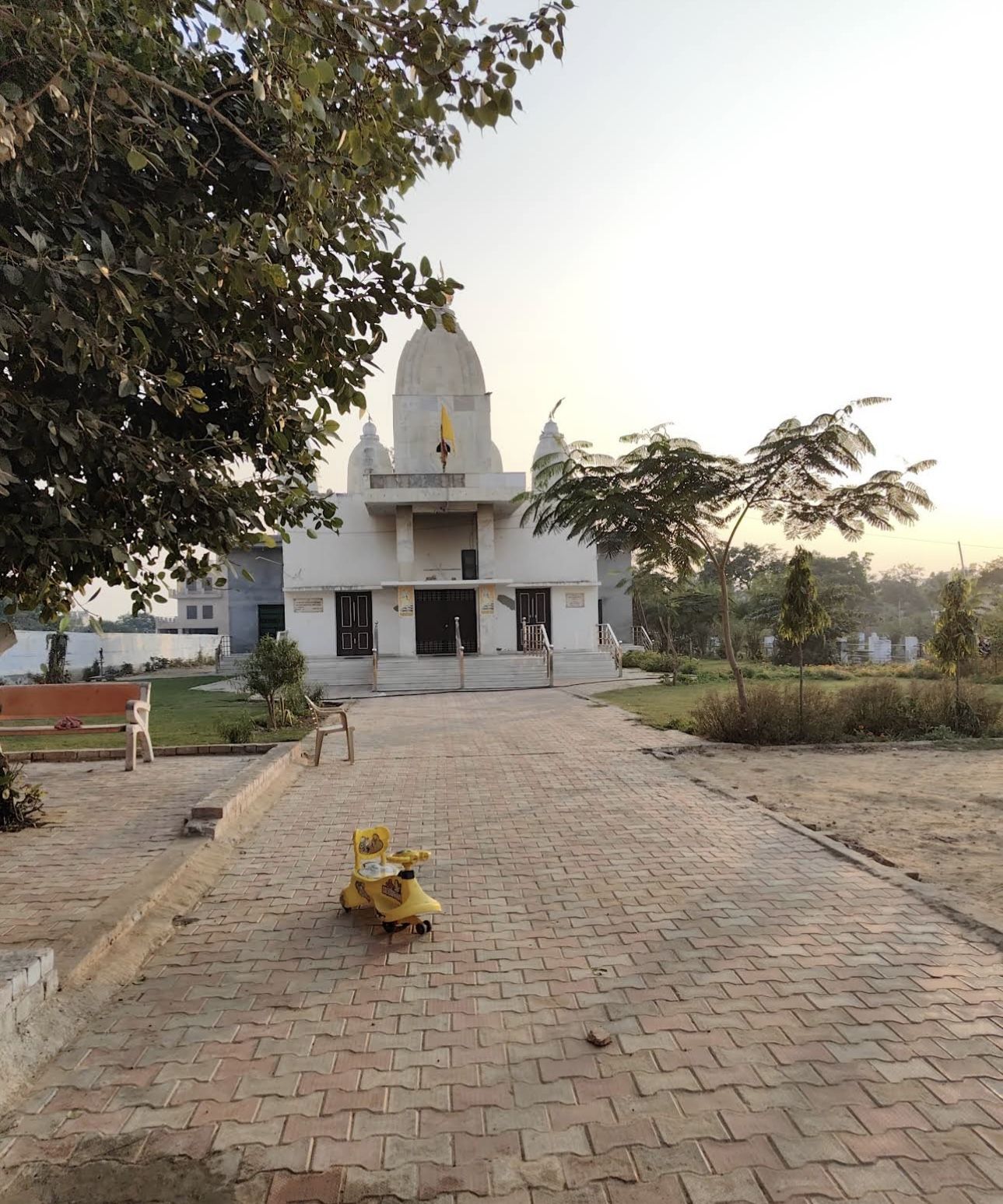
The temple at Hansi Gita Bhawan

Gita’s learnings · ज्ञान

Jnana — Knowledge of the Self

The Self is never born and never dies.

The teaching

ज्ञान

5 shlokas below, each in Sanskrit, transliteration, and plain words.

Before Krishna tells Arjuna what to do, he tells him what he is. The body is born, ages and dies; the one who lives in it does not. Weapons cannot cut it, fire cannot burn it, water cannot wet it. The wise do not grieve for the living or the dead.

This is the Gita’s foundation. Karma Yoga, steadiness, devotion — all rest on it. If what you truly are cannot be harmed, then fear loses its grip, and you can act with a free hand. The Gita calls this knowledge the purest thing in the world, and says it is found in time by the one who seeks it sincerely.

Maa Saraswati sits beside Shri Krishna in the sanctum, and the Deed asks for libraries and study rooms. The Trust treats knowledge as a form of worship, not a separate department.

At the Bhawan

The shlokas

In the Gita’s own words.

Bhagavad Gita 2.20

न जायते म्रियते वा कदाचिन्नायं भूत्वा भविता वा न भूयः।
अजो नित्यः शाश्वतोऽयं पुराणो न हन्यते हन्यमाने शरीरे॥

na jāyate mriyate vā kadācin nāyaṁ bhūtvā bhavitā vā na bhūyaḥ / ajo nityaḥ śāśvato ’yaṁ purāṇo na hanyate hanyamāne śarīre

It is not slain when the body is slain.

The Self is never born and never dies; having been, it never ceases to be. Unborn, eternal, everlasting, ancient — it is not killed when the body is killed.

हिंदी · आत्मा न कभी जन्मती है, न मरती है; होकर फिर न होने वाली नहीं है। अजन्मा, नित्य, शाश्वत, पुरातन — शरीर के मारे जाने पर यह नहीं मरती।

Bhagavad Gita 2.22

वासांसि जीर्णानि यथा विहाय नवानि गृह्णाति नरोऽपराणि।
तथा शरीराणि विहाय जीर्णान्यन्यानि संयाति नवानि देही॥

vāsāṁsi jīrṇāni yathā vihāya navāni gṛhṇāti naro ’parāṇi / tathā śarīrāṇi vihāya jīrṇāny anyāni saṁyāti navāni dehī

As worn-out clothes are changed for new.

As a person puts off worn-out clothes and takes new ones, so the embodied Self leaves worn-out bodies and enters new ones.

हिंदी · जैसे मनुष्य पुराने वस्त्र त्यागकर नए धारण करता है, वैसे ही देही जीर्ण शरीरों को छोड़कर नए शरीरों में प्रवेश करता है।

Bhagavad Gita 2.23

नैनं छिन्दन्ति शस्त्राणि नैनं दहति पावकः।
न चैनं क्लेदयन्त्यापो न शोषयति मारुतः॥

nainaṁ chindanti śastrāṇi nainaṁ dahati pāvakaḥ / na cainaṁ kledayanty āpo na śoṣayati mārutaḥ

Weapons cannot cut it, fire cannot burn it.

Weapons do not cut it, fire does not burn it, water does not wet it, wind does not dry it.

हिंदी · इसे शस्त्र नहीं काटते, अग्नि नहीं जलाती, जल नहीं भिगोता, वायु नहीं सुखाती।

Bhagavad Gita 4.38

न हि ज्ञानेन सदृशं पवित्रमिह विद्यते।
तत्स्वयं योगसंसिद्धः कालेनात्मनि विन्दति॥

na hi jñānena sadṛśaṁ pavitram iha vidyate / tat svayaṁ yoga-saṁsiddhaḥ kālenātmani vindati

Nothing purifies like knowledge.

There is nothing in this world as purifying as knowledge. One who is perfected in yoga finds it, in time, within the self.

हिंदी · इस संसार में ज्ञान के समान पवित्र करने वाला कुछ नहीं है। योग में सिद्ध हुआ व्यक्ति समय आने पर उसे स्वयं अपने भीतर पा लेता है।

Bhagavad Gita 4.34

तद्विद्धि प्रणिपातेन परिप्रश्नेन सेवया।
उपदेक्ष्यन्ति ते ज्ञानं ज्ञानिनस्तत्त्वदर्शिनः॥

tad viddhi praṇipātena paripraśnena sevayā / upadekṣyanti te jñānaṁ jñāninas tattva-darśinaḥ

Learn it by humility, enquiry and service.

Learn that knowledge by approaching those who have seen the truth — with reverence, with sincere questions, and with service. They will teach you.

हिंदी · तत्त्व को जानने वाले ज्ञानियों के पास जाकर — प्रणाम से, जिज्ञासा भरे प्रश्नों से, और सेवा से — उस ज्ञान को जानो। वे तुम्हें उपदेश देंगे।

Common questions

About this teaching.

What does the Gita say about the soul?

That the Atman — the Self — is unborn, eternal and indestructible (2.20–25). The body changes and dies; the Self does not. This is why the Gita tells Arjuna the wise do not grieve.

How is knowledge gained, according to the Gita?

Gita 4.34: by approaching those who have seen the truth with humility, sincere questioning and service. Knowledge is received in a relationship, not only from a book.

All nine themes The 18 chapters